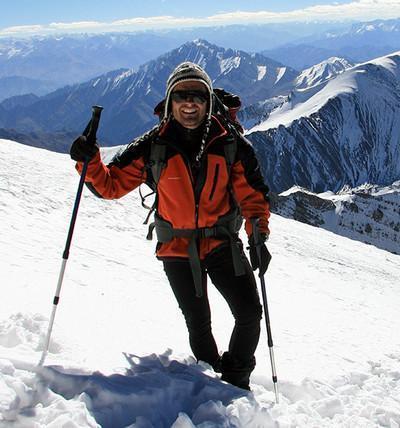



Winter climbing is not just summer climbing with warmer clothes. Cold weather changes the way gear performs, how the body moves, how fast fatigue builds, and how quickly small mistakes become serious.
Mountain adventurers need equipment that supports warmth, traction, mobility, protection, and fast decision-making. The goal is not to carry everything possible. The goal is to carry the right gear, know how to use it, and keep it accessible when conditions change.
A strong winter climbing setup starts with planning, then moves into layers, footwear, tools, safety systems, and pack organization.
Start With the Route and Conditions
Gear choices should match the route, weather, elevation, snowpack, and expected exposure. A low-angle winter hike requires a different setup than alpine climbing, mixed routes, ice climbing, or steep snow travel.
Check the forecast, wind speed, avalanche information, daylight hours, temperature swings, and recent storm activity.
Do not plan gear around the best conditions.
Plan for the conditions that could develop if the route takes longer than expected.
Cold, wind, ice, and low visibility can change a manageable climb into a difficult one.
Build a Layering System That Moves
Winter climbing clothing needs to keep the body warm without trapping too much sweat. Moisture becomes a problem when movement slows or temperatures drop.
Start with a moisture-wicking base layer. Add an insulating mid-layer, then carry a weather-resistant shell for wind and snow then carry a weather-resistant shell for wind and snow.
Climbers training with clubs, guide teams, or outdoor groups may also use custom climbing apparel to keep layers practical, easy to identify, and suitable for repeated active use.
The fit should allow full shoulder movement, high steps, arm reaches, and harness use.
Clothing that pulls, bunches, or restricts breathing will become a problem on longer climbs.
Choose Footwear for Cold and Terrain
Boots should match the terrain and climbing objective. Winter approaches may require insulated mountaineering boots, stiff soles, waterproof uppers, and enough structure for crampon use.
Footwear should be warm but not so tight that circulation is reduced.
Cold toes often come from poor fit, wet socks, or boots that compress the foot too much.
Footwear Details to Check
Important features include:
● Insulation level
● Waterproof protection
● Crampon compatibility
● Stiff sole support
● Secure lacing
● Ankle stability
● Toe box space
● Gaiter compatibility
● Grip on mixed ground
Break boots in before a major trip.
A painful boot can ruin a climb faster than almost any other gear choice.

Use Gloves in Layers
Hands are difficult to manage in winter because they need warmth and dexterity. One heavy glove is rarely enough for a full mountain day.
Use a glove system.
Carry a thin liner glove for handling equipment, a warmer climbing glove for movement, and a heavier insulated mitt for stops, belays, or emergencies.
Keep spare gloves dry inside the pack.
Wet gloves can quickly become dangerous when the wind increases.
Practice using carabiners, knots, tools, zippers, and pack buckles with gloves on.
If gear only works with bare hands, it may not work well in real winter conditions.
Match Traction Tools to the Route
Winter terrain can shift between snow, ice, rock, and frozen ground. Traction gear should match the steepness and surface.
Crampons, microspikes, ice axes, technical tools, snowshoes, or ski approaches may all have a place depending on the objective.
Do not bring traction gear without knowing how to use it.
A crampon caught on clothing or a poorly handled axe can create risk.
Practice foot placement, self-arrest, front-pointing, and tool movement in controlled conditions before relying on them in exposed terrain.
Keep Navigation Simple and Reliable
Winter landscapes can hide trails, markers, rocks, and familiar landmarks. Snow, fog, wind, and early darkness can make navigation harder than expected.
Carry a map, compass, GPS device, or offline route files.
Do not rely only on phone signal.
Cold can drain batteries quickly.
Keep electronics warm and carry backup power.
Navigation Items to Carry
Useful items include:
● Topographic map
● Compass
● Offline route file
● GPS device
● Headlamp
● Spare batteries
● Power bank
● Emergency contact details
● Route notes
Know your turnaround time before starting.
Winter climbing often rewards conservative decisions.
Protect the Core Safety Kit
A winter climbing pack should include more than clothing and food. Safety gear should be packed so it can be reached quickly.
Depending on the route, this may include a helmet, harness, rope, avalanche beacon, probe, shovel, first aid kit, emergency shelter, repair kit, headlamp, and communication device.
Food and water also need planning.
Water can freeze.
Use insulated bottles or store bottles upside down so ice forms away from the opening.
Pack food that can be eaten with gloves and will not turn rock-hard in the cold.

Organize the Pack for Fast Access
A messy pack wastes time and exposes gear to snow when everything must be pulled out to find one item.
Pack by priority.
Keep gloves, shell, goggles, headlamp, snacks, map, and safety tools easy to reach.
Store dry layers inside waterproof bags.
Use small pouches for repair items, batteries, first aid, and personal essentials.
Keep sharp tools covered.
Balance the load so the pack does not pull backward during steep movement.
An organized pack helps climbers move more efficiently and make better decisions under pressure.
Test Gear Before the Trip
Winter climbing is not the place to test new systems for the first time. Gear should be checked before the mountain day.
Try on the full layering system with the harness.
Test crampon fit.
Check headlamp batteries.
Practice packing and unpacking gloves, tools, and layers.
Make sure zippers, buckles, straps, and closures work with cold hands.
Small problems at home are easier to fix than on a windy ridge.
Final Thoughts
Winter climbing gear should be practical, tested, and matched to the route. Focus on layers that manage sweat, boots that support the terrain, gloves that balance warmth and dexterity, reliable traction, strong navigation, and fast pack access.
Good gear does not replace judgment.
It supports better decisions when conditions change.
Mountain adventurers who prepare carefully are more likely to stay warm, move efficiently, and return with enough energy to climb again.
ABOUT THE AUTHOR
Fred Felton
Content Creator / Editor
Fred Felton is a copywriter, editor and social media specialist based in Durban, South Africa. He has over 20 years of experience in creating high end content. He has worked with some of the biggest brands in the world. Currently Fred specialises in the winter outdoors space, focussing on skiing and snowboarding. He is also a keynote speaker and has presented talks and workshops in South Africa.



 English
 العربية
 简体中文
简体中文 Français
 Deutsch
 Italiano
 日本語
日本語 한국어
한국어 Русский
 Español
 Svenska
 ไทย
ไทย